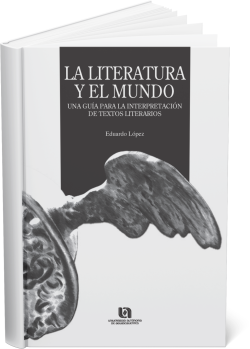
Literature and the world: A guide to interpreting literary texts
Keywords:
Literature, Literary analysis, Social function of literature, Written language, Linguistic symbols, Literary genres, Poetry, Drama, Narrative, EssaySynopsis
There are many ways to interpret literary texts, and what the author presents here is only one very personal way of approaching reading and interpretation, with the understanding that he used these methods in his courses as a professor of literature.
We know that culture is a network of signs that essentially shape the identity of human groups. As the name suggests, signs are signals that, when woven together, give substance to culture, and there are basically two types: simple and complex. Of the complex signs, the most important and necessary is language, which is an essential factor in shaping community identity. After language, we have religions, and from there we encompass customs, social values, food, art, clothing, and so on.
In the case at hand, it is necessary to consider language, since it is through language that identification is most direct and effective. Linguistic recognition among humans is complicated, but fully effective, although we have literature, which we can even understand as a process of identification bordering on accuracy, given its ability to achieve precision, exactness, and even beauty. Language reaches the realm of emotion here, which is what makes it so effective. And beyond emotion, ideology can represent the character of the human group in question and its language, even social customs, including morals and, ultimately, ethics.
The document presented here begins by focusing on the use, type, and order of words, historical, sociological, philosophical, and even ethical situations that are offered to the reader, and more: each literary genre in itself already presents an absolutely social communicative intention. This book thus starts from a social meaning, that is, to understand that it is a "portrait" of the world that the author has before him, including, of course, the language of his time, but in an ideal way, as I have already mentioned. Secondly, it is about understanding that in this "portrait," the author offers a critique of that same world, which is his own.
This proposal for interpreting a literary text invites us to reflect on how to approach and, above all, enter into a literary text, beyond suggesting that enjoying literature cannot remain a purely superficial reading experience, because it requires, at the very least, a complete willingness to surrender in order to access that other side, which is another world, or at least another perspective on reality that the author has encountered.
References
Abreu Gómez, Ermilo. Canek. Fondo de cultura económica. 1ª edic., México 2019.
Alatorre, Claudia Cecilia. Análisis del drama. Ed. Escenología. 3ª. edición., México, 1999.
Arreola, Juan José. Las focas “Bestiario”. Col. “Obras de Juan José Arreola”. 20 ava. edición, México, 2004.
Beckett, Samuel. Esperando a Godot. Tusquets edit. 2ª. ed. en “Fábula”, España, 1998.
Castellanos, Rosario. Bella dama sin piedad y otros poemas. Secretaría de Educación Pública, col. “Lecturas mexicanas” #49 1ª. edición. México, 1984.
Chéjov, Anton. El amanuense. “La señora del perrito y otros cuentos”. Edit. Alianza, col. “El libro de bolsillo”, Madrid, 1984.
Cortázar, Julio. Cortísimo metraje y El río. “Cuentos completos I-II ”. Editorial Alfagura. 17 ava. Edic. México, 2007.
Chumacero, Alí. Poesía completa. Ediciones Coyoacán, 1ª. ed. México 1997.
Cuesta, Jorge. “Antología de la poesía mexicana moderna”. FCE, Cultura SEP, col. “Mexicanas”.
Dávila, Amparo. Poesía de ayer y hoy. Fondo de cultura económica, col. “Cenzontle”, 1ª. ed., México, 2019.
De la Cruz, Sor Juana Inés. Obras escogidas. Edit. Bruguera. Edición especial. Barcelona, España, 1972.
De la Vega, Garcilaso. Poesía. (estudio y notas de Manuel Cifo G.) Santillana ediciones generales. España, 2002.
Frías, Heriberto. Tomochic. Edit. Porrúa, col. “sepan cuantos…” #92. 8ª edición. México, 1993.
García Bacca. La Poética. Aristóteles, Editores mexicanos unidos. 1ª. ed. México, 1985.
García Lorca, Federico. Romancero gitano. Editorial Dante, 1ª. edic. México, 1987.
Garibay, Ángel María. Teatro helénico. Cinco lecciones de síntesis esquemática. Instituto Mexiquense de Cultura e Instituto Nacional de Bellas Artes. 2ª. edición, México 1992.
Gelman, Juan. Pesar todo. Antología. Fondo de cultura económica. 1ª. edición, México, 2001.
Goytortúa Santos, Jesús. Pensativa. Ed. Porrúa, col. “sepan cuantos”. 1ª. ed. México, 1945.
Guillén, Nicolás. Sóngoro cosongo. El son entero. Edit. Losada, col. “Poetas hispanoamericanos de ayer y hoy”. 1ª. edic. Buenos Aires 1998.
Hamsun, Knut. Hambre. Colunga ediciones, Libro quincenal de bolsillo. México, 1971.
Hernández, José. Martín Fierro. Editorial Bruguera, 5ª. edición, España, 1982.
Homero. La Ilíada. Editores mexicanos unidos. Col. Grandes de la literatura 1ª. ed., México 2013.
Ionesco, Eugene. La cantante calva. Edit. Alianza Losada, Madrid, 1982.
López Velarde, Ramón. Mi pecado. “Obras”. Fondo de Cultura Económica, Biblioteca amercicana. 2ª. reimp. México, 1986.
Lugones, Leopoldo. Romancero. Edit. Espasa Calpe, S.A. col. Austral #232 6ª. edic. Madrid, España, 1969.
Macgowan, Kenneth y Melnitz, William. Las edades de oro del teatro. Fondo de Cultura Económica, col. Popular 54. 9ª. reimpresión, México, 2004.
Maupassant, Guy de. Obras maestras. Antología. Editores mexicanos unidos México, 2016.
Menéndez Pidal, Ramón. Flor nueva de romances viejos. Edit. Espasa Calpe, col. Austral 100. 17ava. ed. Madrid, 1969.
Monterroso, Augusto. El dinosaurio. “Obras completas y otros cuentos)”. Ediciones Era, col. “De bolsillo”. 1ª. ed. México, 2019.
Murillo, Gerardo (Doctor Átl) “Diarios del Doctor Atl”, Literata. Revista “El cuento” sept. 1995. Tomo xxv- año xxxi. P. 69. y “Diarios del Doctor Atl”, Abismo.Revista “El cuento” #45, sept. oct. 1970. Tomo vii- año vii p. 792. minisdelcuento.wordpress.com/category/dr-atl/
Neruda, Pablo. Veinte poemas de amor y una canción desesperada. Ediciones Leyenda. 1ª. edic. México, 1999.
Onetti, Juan Carlos. Los besos. “Cuentos completos”. Edit. Alfaguara, España, 2003.
Pacheco, José Emilio. Islas a la deriva. Ediciones Era, 2ª. ed. México, 1983.
Paz, Octavio. Salamandra. Ed. Joaquín Mortíz, 6ª. ed. México, 1990.
Pellicer, Carlos. Antología. Fondo de Cultura Económica, Poemas Líricos, Heróicos, en el Paisaje y Religiosos. 1ª edición, México, 1969.
Petrarca, Francesco. Cancionero. Ediciones B. S. A. Barcelona, España. 1ª. ed. 1983.
Pilniak, Boris. Pedro, Su Majestad, Emperador.Conaculta y Universidad Veracruzana. México, 2013, 2ª. edic.
Pound, Ezra. Personae. Los poemas breves. Poesía Hiperión, España España, 2003. 3ª. edición.
Revueltas, José. Los muros de agua. Ediciones Era. 15 ava. reimpresión, México, 2001.
Rojas González, Francisco. Cuesta arriba. “Cuentos completos. Fondo de cultura económica, 2ª. reimp. México, 1985.
Rulfo, Juan. Luvina. “El llano en llamas”. Fondo de Cultura Económica, col. popular. 9ª. reimpresión, México, 1987.
Sainz de Robles, Federico Carlos. (Selecc. Introducción y notas) Poetas líricos griegos. Espasa Calpe mexicana, col. Austral #1332, México, 4ª. ed. 1963.
Shakespeare, William. Hamlet. Grupo editorial Tomo, 2ª. ed. México, 2002.
Smith, Patti. calle de los guías. “Babel”. Edit. Anagrama, col. “compactos”, 1ª. edic. Barcelona, 2004.
Wiesner, Herbert. (Compilador) Nueva literatura alemana. Antología de Autores contemporáneos. UNAM y Fondo de Cultura Económica. 1ª. edición en español, México, 1993.
Yáñez, Agustín. Al filo del agua. Edit. Porrúa. Col. de escritores mexicanos.21ava. edición. México, 1991.
Zaíd, Gabriel. (Compilación y notas). Ómnibus de poesía mexicana. Siglo XXI editores, col. “mínima mayor”, 2ª. edición, México 1972.
Zavala, Lauro (2006). Un modelo para el estudio del cuento. “Casa del tiempo”. Recuperado de uammx(difusion)casadel tiempo /90 / jul_ago_2006 casa_del_tiempo_num 90-91_26_31.pdf Teorías del cuento II. “La escritura del cuento”. UNAM. 1ª. edición. México, 1997.
Zolá, Emile. Naná. Editores mexicanos unidos. 6ª. ed. México, 1985. Teresa Raquín. Edisvensa, col. Libro de bolsillo, Barcelona 1969.
Downloads
Published
Series
Categories
License

This work is licensed under a Creative Commons Attribution-ShareAlike 4.0 International License.